


Description
Neuropeptide hormone involved in social behavior and reproduction
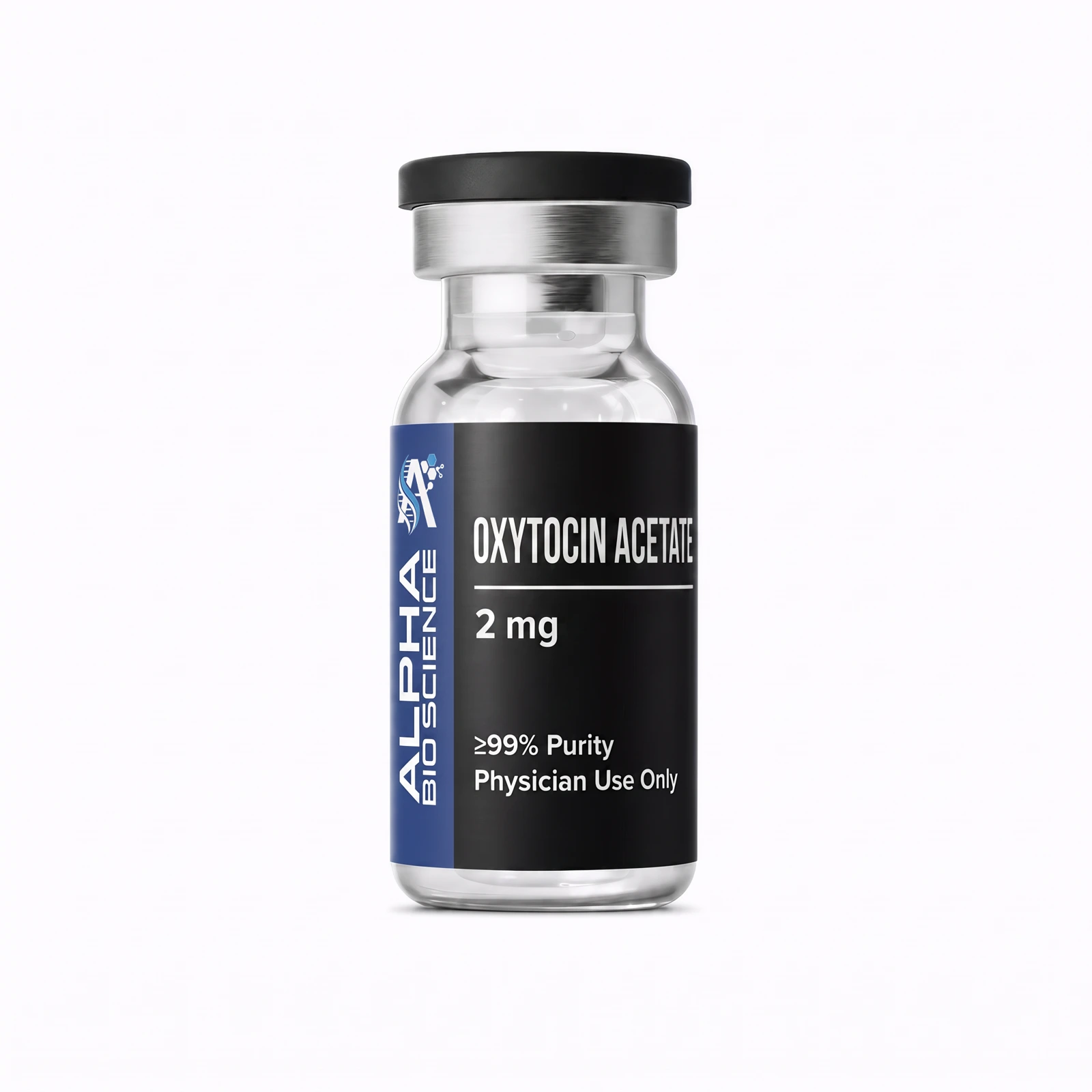
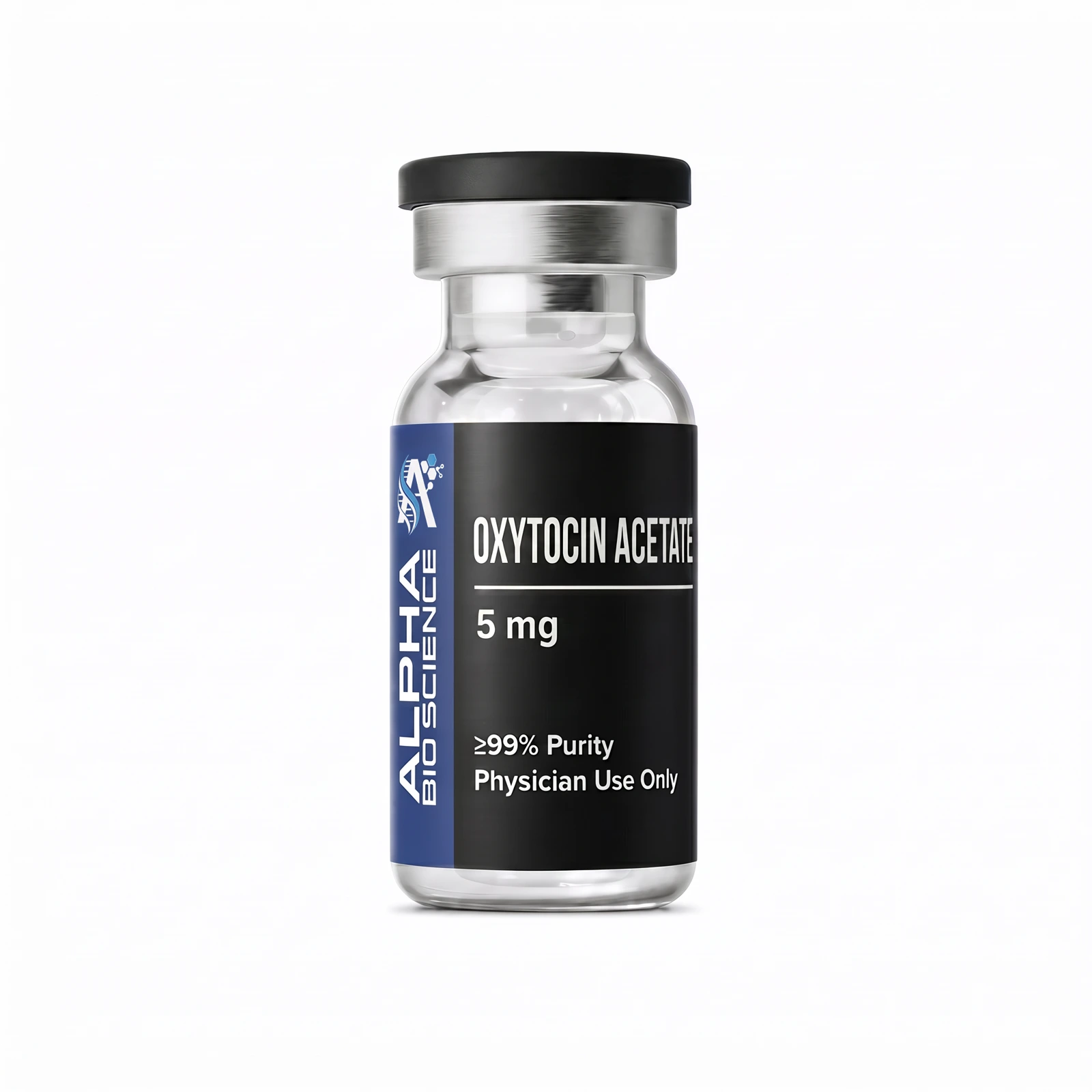
Oxytocin is a naturally occurring peptide hormone recognized for its powerful influence on emotional bonding, trust, and connection – earning it the nickname ‘the love hormone’. Contributes to emotional balance by helping regulate cortisol levels, reducing feelings of stress and anxiety. Published literature has highlighted oxytocin’s potential to uplift mood, support emotional resilience, and enhance overall mental well-being. Beyond effects on mood, has demonstrated support for physical healing by facilitating tissue regeneration and wound repair.
References
- Froemke RC, Young LJ. Oxytocin, Neural Plasticity, and Social Behavior. Annu Rev Neurosci. 2021;44:359-381. PMID: 33823654 | DOI: 10.1146/annurev-neuro-102320-102847
- Rigney N, de Vries GJ, Petrulis A, Young LJ. Oxytocin, Vasopressin, and Social Behavior: From Neural Circuits to Clinical Opportunities. Endocrinology. 2022;163(9):bqac111. PMID: 35863332 | DOI: 10.1210/endocr/bqac111